How Squirrels Damage Roofs and Attics and What to Do About It
People searching for squirrel removal are usually trying to prevent damage to their roofs and attics, and local service providers can help eliminate squirrels and protect their homes.
Homeowners in the area often find themselves wondering how squirrels damage roofs and attics and what steps can be taken to prevent or address these issues. Squirrels are known for their resourcefulness and agility, which allows them to access rooftops and find entry points into attics. Once inside, they can cause significant damage by gnawing on wiring, insulation, and structural elements, leading to costly repairs and potential safety hazards. Understanding the ways these small creatures can impact a property helps owners recognize early signs of intrusion and take proactive measures to protect their homes.
Fortunately, local contractors who specialize in squirrel removal and exclusion can help address these concerns effectively. These service providers are equipped to identify vulnerabilities, safely remove squirrels, and implement barriers to prevent future invasions. Exploring options for professional assistance ensures that property owners can restore their homes’ integrity while minimizing damage and avoiding more extensive repairs down the line. Keep reading to learn more about how squirrels damage roofs and attics and how local experts can assist in resolving these common issues.
- Squirrel Damage Repairs - homeowners noticing chewed wiring or nesting in their roofs can rely on local contractors to assess and repair the damage caused by squirrels.
- Attic Inspection and Squirrel Entry Prevention - those experiencing signs of squirrel intrusion in their attics should seek service providers to identify entry points and secure the space.
- Roof Damage Assessment - property owners observing roof shingles or soffits damaged by squirrels can work with local specialists to evaluate and restore the affected areas.
- Squirrel Exclusion Services - individuals dealing with ongoing squirrel presence can contact local contractors to implement exclusion techniques and prevent future infestations.
- Attic Cleanout and Debris Removal - clients finding squirrel nests or droppings in their attics should connect with service providers to safely remove debris and sanitize the space.
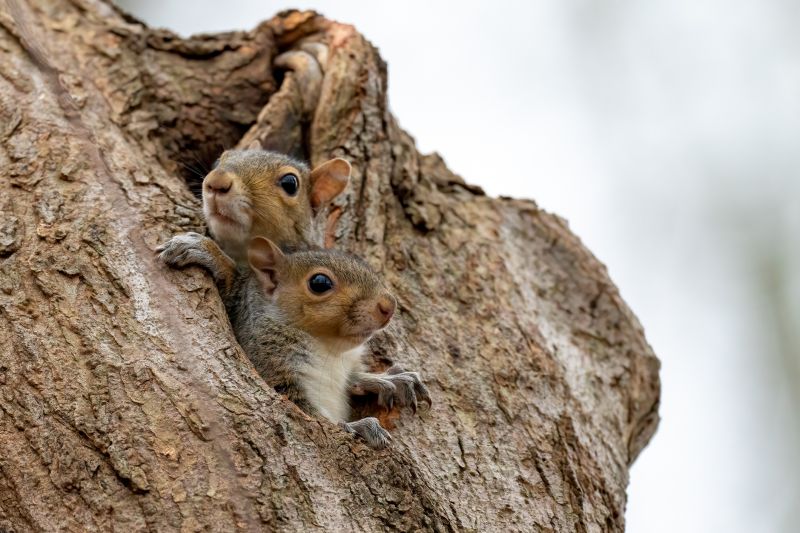
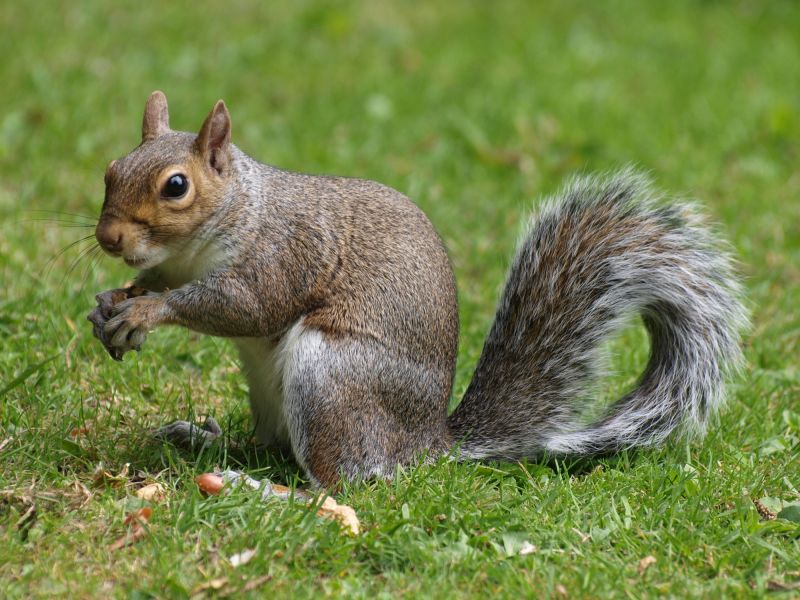
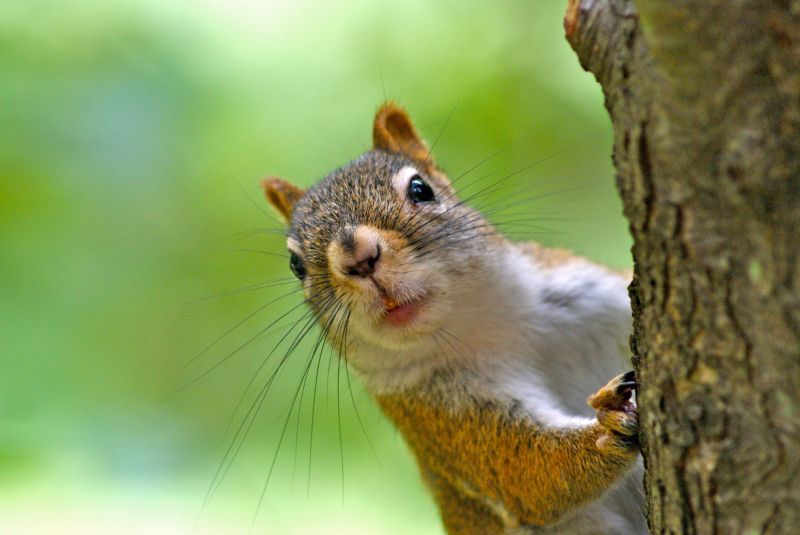
When people search for how squirrels damage roofs and attics and what to do about it, they are usually concerned about the potential for these small animals to cause significant property problems. Squirrels are known for their ability to access roofs and attics through small openings, often exploiting gaps or damaged areas in the roofline or eaves. Once inside, they can create nests, chew through insulation, wiring, and structural components, leading to costly repairs and safety hazards. Homeowners may also be worried about the mess and odors that come from squirrel nesting materials and droppings, which can affect indoor air quality. This topic is often connected to property protection plans, pest control strategies, and roof maintenance projects, especially in regions where squirrels are common.
The problems associated with squirrels damaging roofs and attics are diverse. Beyond the physical damage to roofing materials, squirrels can cause electrical issues by chewing through wiring, increasing the risk of fires. Their nesting activities can weaken roof structures and cause leaks, leading to water damage inside the attic and living spaces below. Additionally, squirrels often carry parasites and diseases, which can be transmitted through their droppings and nesting debris. Property owners may also be considering plans to repair or reinforce vulnerable areas, install barriers, or set up exclusion devices to prevent future incursions. These issues highlight the importance of proactive measures and professional intervention to address both current damage and ongoing risks.
The types of properties most affected by squirrel damage typically include residential homes, especially those with accessible attics or poorly maintained roofs. Houses with overhanging branches or trees close to the structure are more vulnerable, as squirrels can easily leap onto roofs and find entry points. Rural properties, cabins, and older buildings with gaps or damaged roofing are also common targets. Commercial buildings with similar vulnerabilities may experience squirrel-related issues, particularly in areas where wildlife is abundant. Homeowners and property managers often seek out local service providers who specialize in squirrel removal and exclusion to protect their investments and prevent further damage, especially when signs of entry or damage become evident.
Addressing how squirrels damage roofs and attics and what to do about it involves identifying entry points, removing the animals, and preventing future access. Local contractors who specialize in squirrel removal can assess the property for existing damage and recommend effective exclusion methods, such as installing barriers, vent covers, or sealing gaps. These professionals may also assist with repairing or reinforcing vulnerable roof areas to eliminate potential entry points. Because squirrels can cause extensive damage if left unchecked, timely intervention is crucial. Working with experienced service providers ensures that property owners can effectively resolve current problems and reduce the likelihood of recurring issues, helping to maintain the integrity and safety of their homes or buildings.
Attic Insulation Installation - professionals who install or upgrade attic insulation can help prevent damage caused by squirrels accessing and nesting in attics.
Roof Repair and Replacement - local contractors skilled in roof repair can address damage from squirrel activity and reinforce roofs against future intrusion.
Gutter Cleaning and Repair - gutter specialists can remove debris and repair damage caused by squirrels nesting or chewing in gutter systems.
Pest Proofing and Exclusion - experts in pest exclusion can help seal entry points to keep squirrels and other pests out of roofs and attics.
Attic Ventilation Services - ventilation specialists can improve attic airflow, reducing conditions that attract squirrels and other critters.
Bird and Pest Barrier Installation - service providers who install barriers can help prevent squirrels from gaining access to roof spaces and causing damage.
When evaluating service providers for squirrel removal related to damage in roofs and attics, it is important to consider their experience with similar projects. Homeowners should seek out local contractors who have a proven track record of handling wildlife-related issues, particularly involving squirrels and attic repairs. An experienced professional will be familiar with common entry points, signs of infestation, and effective removal methods, which can help ensure the problem is addressed thoroughly and efficiently. Verifying that a contractor has worked on comparable projects can provide confidence that they understand the unique challenges associated with squirrel damage and can recommend appropriate solutions.
Clear written expectations are essential when choosing a squirrel removal service. Homeowners should look for providers who can offer detailed descriptions of their scope of work, including inspection procedures, removal techniques, and any necessary repairs to prevent future infestations. Having this information in writing helps establish a mutual understanding of what the service entails and can prevent misunderstandings. It also allows homeowners to compare different providers more effectively by assessing the thoroughness and transparency of their proposals, ensuring that the chosen contractor will deliver the level of service needed to protect the home from squirrel-related damage.
Reputable references and good communication are key factors in selecting a dependable service provider. Homeowners are encouraged to seek out local contractors who can provide references from previous clients, especially those who have dealt with similar issues involving roof and attic damage caused by squirrels. Additionally, clear and responsive communication during the inquiry process can indicate a contractor’s professionalism and willingness to address questions or concerns. A contractor who communicates well and provides verifiable references is more likely to deliver a reliable and satisfactory service experience, helping homeowners feel confident that the squirrel removal and subsequent repairs will be handled properly.
Property owners often search for how squirrels damage roofs and attics and what to do about it when they are planning practical projects around their homes and businesses. Local pros provide Squirrel Removal services for everyday jobs and straightforward project options.
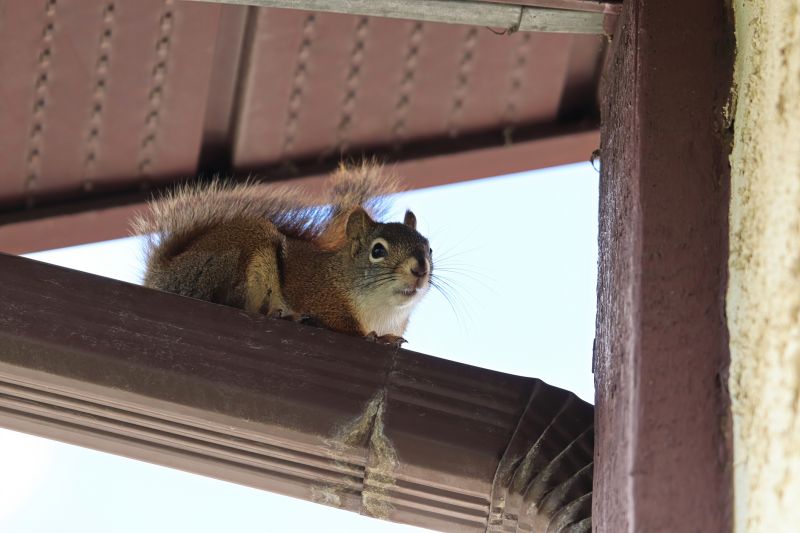
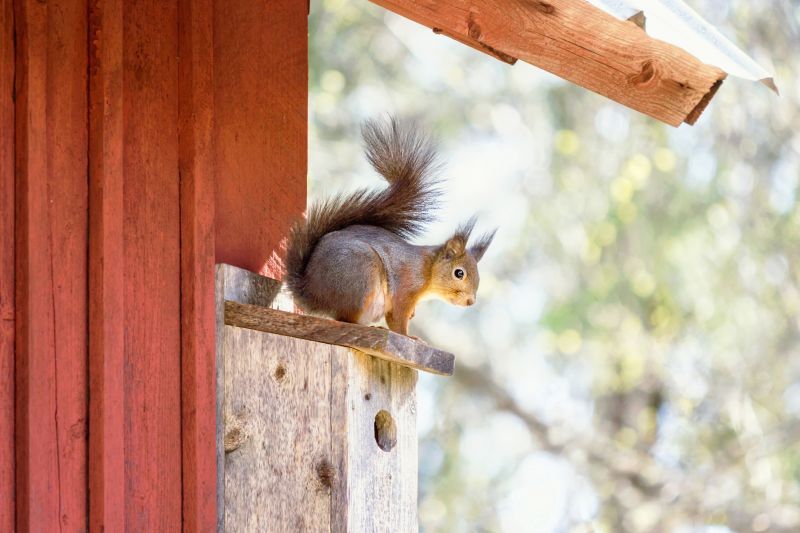
Squirrels can cause significant damage to roofs and attics, especially when they find easy access points such as vents, chimneys, or gaps in the siding. These small animals often chew on wood, insulation, and wiring as they explore or create nesting sites, which can lead to structural issues and potential safety hazards. Property owners in the area might look up this topic after noticing signs like unusual noises, chewed-up insulation, or entry holes near their roofline, prompting them to seek effective squirrel removal services to prevent further damage.
When squirrels invade a property, professional squirrel removal services offered by local contractors can help safely and effectively address the problem. These service providers typically evaluate the extent of the damage, identify entry points, and implement humane removal methods. They can also assist with sealing off vulnerable areas to prevent future intrusions, helping to protect the roof and attic from ongoing or recurring squirrel-related issues. Connecting with experienced local contractors ensures that the problem is handled efficiently and thoroughly.
How do squirrels damage roofs and attics? Squirrels can cause damage by chewing through roofing materials, creating entry points, and nesting in insulation, which can lead to structural issues and insulation contamination.
What signs indicate squirrels have entered a roof or attic? Signs include scratching noises, chewed wires or wood, visible entry holes, and the presence of nests or droppings in the attic space.
How can local contractors help with squirrel-related roof and attic damage? They can perform inspections to identify entry points, remove squirrels safely, and implement repairs to prevent future infestations.
What steps should be taken to prevent squirrels from damaging roofs and attics? Installing barriers, sealing entry points, and removing attractants like accessible food sources can help deter squirrels from accessing these areas.
Why should property owners consider professional squirrel removal services? Professionals have the expertise to safely remove squirrels, assess damage, and carry out effective repairs to protect the roof and attic from further harm.
Identify vulnerable entry points - property owners can inspect their roofs and attics for gaps or damage that squirrels may exploit, and seek services to seal these openings effectively.
Implement deterrent measures - installing barriers or repellents can help prevent squirrels from accessing roof areas, with local contractors providing safe and effective solutions.
Schedule regular inspections - routine assessments by service providers can detect early signs of squirrel activity and damage, allowing for prompt repairs and prevention.
Remove nesting materials - clearing out debris and nesting sites in attics and roof spaces can discourage squirrels from settling in, with professional removal services ensuring thorough cleanup.
If you are thinking about how squirrels damage roofs and attics and what to do about it for a property, this guide is meant to help you understand this topic, the typical project types, and how different options might fit your plans.
When you are ready, you can use the quote form on this page to share a few details about your project. From there, local pros can review the basics and follow up with options that match what you have in mind.