Why Lizards Enter Homes and How to Prevent Future Intrusions
People seeking lizard removal often want to stop lizards from entering their homes, and local service providers can help with effective exclusion and removal solutions.
Many property owners find themselves puzzled by the presence of lizards inside their homes, especially during warmer months when these creatures tend to seek shelter and warmth. Understanding why lizards enter homes can help residents take practical steps to keep these reptiles outside where they belong. Common reasons include easy access through gaps, cracks, or poorly sealed doors and windows, as well as nearby vegetation or debris that attract insects, which in turn draw lizards. For those noticing recurring intrusions, connecting with local contractors who specialize in lizard removal can provide effective solutions tailored to the specific needs of the property, helping to minimize future visits.
Preventing future intrusions involves a combination of simple home maintenance and strategic measures, which local service providers are well-equipped to assist with. They can identify entry points and recommend sealing techniques or modifications that deter lizards from entering. Additionally, managing landscaping and reducing attractants around the property can significantly decrease the likelihood of lizard visits. By working with experienced local pros, property owners can implement practical, long-lasting prevention methods that keep their homes comfortable and free of unwanted reptiles.
- Lizard exclusion services - when homeowners notice lizards inside and want to prevent future intrusions, local contractors can identify entry points and seal them effectively.
- Lizard removal services - if lizards are frequently entering the home, local pros can implement humane removal methods and advise on deterrent strategies.
- Lizard prevention services - for those seeking to stop lizards from entering, local service providers can recommend and install barriers around potential entry points.
- Lizard entry point repair - when damage or gaps around windows, doors, or vents allow lizards inside, local contractors can perform necessary repairs to block access.
- Lizard habitat modification - if outdoor areas attract lizards, local pros can suggest landscaping adjustments to reduce their proximity to the home.


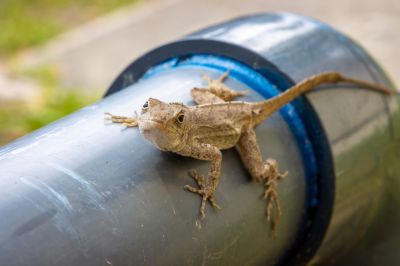
When homeowners search for information about why lizards enter homes and how to prevent future intrusions, they are often trying to understand the underlying reasons these reptiles find their way inside. Typically, this search relates to common problems such as unwanted sightings, concerns about property damage, or the desire to create a more comfortable living environment. People may notice lizards in their kitchens, basements, or near entry points, prompting questions about how these creatures are gaining access and what can be done to keep them out. This topic also ties into broader plans for pest prevention and property maintenance, as many homeowners seek practical solutions to reduce unwanted wildlife encounters.
The types of properties that frequently experience lizard intrusions tend to be those located in warmer, more humid regions where lizards are naturally common. Residential homes in suburban or rural areas often face this issue, especially if they have gardens, shrubs, or trees close to the house. Properties with gaps around doors and windows, unsealed vents, or cracks in exterior walls are particularly vulnerable. Additionally, homes with cluttered yards or debris piles provide ideal hiding spots for lizards and their prey, making it easier for these reptiles to establish a presence indoors. Understanding the specific property features that attract lizards helps homeowners identify vulnerabilities and take targeted action.
Addressing why lizards enter homes and how to prevent future intrusions involves a combination of inspection, sealing entry points, and habitat modification. Local service providers specializing in lizard removal and exclusion can assess a property’s vulnerabilities and suggest practical measures. These might include sealing gaps around windows and doors, installing door sweeps, and repairing damaged screens. Yard maintenance, such as removing debris, trimming shrubs, and reducing hiding spots, also plays a key role in discouraging lizards from approaching the home. By working with local contractors experienced in wildlife exclusion, homeowners can develop a comprehensive plan to minimize the chances of future intrusions and create a less inviting environment for these reptiles.
Ultimately, understanding why lizards enter homes and how to prevent future intrusions connects directly to maintaining a comfortable and pest-free living space. Local pros who specialize in wildlife exclusion and lizard removal can provide tailored solutions that address specific property vulnerabilities. They help homeowners implement effective barriers and habitat modifications, reducing the likelihood of recurring visits. Whether it’s sealing entry points or managing outdoor environments, these service providers are an important resource for those looking to keep lizards outside where they belong. Proper prevention measures not only reduce unwanted sightings but also contribute to a more enjoyable home environment free from unnecessary wildlife concerns.
Home sealing projects - sealing gaps and cracks around windows, doors, and foundations to prevent lizards from entering homes, similar to pest exclusion efforts.
Insect screen installation - installing or repairing screens on vents and windows to block lizard entry points, utilizing similar planning and tools as lizard intrusion prevention.
Exterior maintenance services - trimming vegetation and removing debris near the home to reduce lizard habitats and entry points, requiring similar site assessment skills.
Roof and gutter cleaning - maintaining roof and gutter systems to prevent access points for lizards and other pests, involving comparable inspection techniques.
Pest-proofing services - implementing strategies to deter insects and small pests that attract lizards, sharing similar approaches and tools as lizard entry prevention.
Structural repair projects - fixing damaged siding or foundation cracks that serve as lizard entry points, requiring similar planning and repair skills.

When comparing local contractors for lizard removal services related to why lizards enter homes and how to prevent future intrusions, it is important to consider their experience with similar projects. An experienced service provider will have a better understanding of common entry points and effective exclusion methods, which can lead to more reliable results. Homeowners should look for contractors who have a proven track record in handling lizard-related issues and can demonstrate familiarity with the specific challenges that arise in residential settings. This background can help ensure that the chosen professional is well-equipped to address the root causes of lizard entry and implement appropriate prevention strategies.
Clear written expectations are essential when evaluating potential service providers. Homeowners should seek detailed descriptions of the scope of work, including inspection procedures, exclusion techniques, and any follow-up measures. Transparent communication about what the service includes helps prevent misunderstandings and ensures that both parties are aligned on the project’s goals. Reputable contractors will provide comprehensive information about their approach, making it easier to compare options and select a provider who clearly understands the homeowner’s needs related to why lizards enter homes and how to keep them out.
Reputation and references are key factors in choosing a reliable local contractor. Homeowners are encouraged to request references or reviews from previous clients who have had similar work done. Positive feedback about a contractor’s professionalism, communication, and effectiveness can provide confidence in their ability to handle the project successfully. Good communication skills are also vital; service providers who listen carefully, answer questions clearly, and keep homeowners informed throughout the process are more likely to deliver satisfactory results. Considering these aspects can help ensure that the chosen professional will be responsive and thorough in addressing the concerns around lizard intrusions.
Property owners often search for why lizards enter homes and how to prevent future intrusions when they are planning practical projects around their homes and businesses. Local pros provide Lizard Removal services for everyday jobs and straightforward project options.

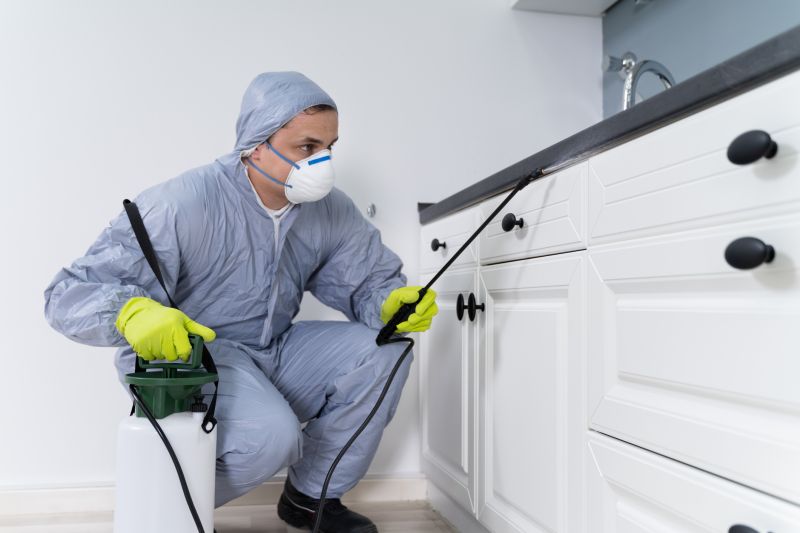
Many property owners in the area notice lizards entering their homes, especially during warmer months or when there are gaps and openings in the building structure. These small reptiles are often attracted to indoor spaces in search of food, shelter, or a cooler environment. Simple issues like cracks in the foundation, gaps around windows and doors, or cluttered outdoor areas can make it easier for lizards to find their way inside. Addressing these entry points and maintaining a tidy exterior can significantly reduce the chances of future intrusions.
When lizards become a recurring concern, seeking assistance from local contractors who specialize in pest exclusion and home sealing can be an effective solution. These service providers can identify vulnerabilities in the property’s exterior and implement measures to block lizard entry points. Working with experienced professionals ensures that preventative steps are thorough and tailored to the specific needs of the property, helping to keep lizards and other unwanted pests outside where they belong.
Why do lizards enter homes? Lizards often enter homes seeking warmth, food sources like insects, or shelter from outdoor elements. They may be attracted to gaps, cracks, or openings in walls and doors. Local contractors can identify entry points and recommend effective sealing methods to prevent future intrusions.
How can I prevent lizards from entering my home? Preventing lizard entry involves sealing cracks, installing door sweeps, and reducing indoor insect populations. Local service providers can assess your property and implement tailored exclusion strategies to keep lizards out.
Are there specific areas in my home where lizards are more likely to enter? Lizards commonly enter through gaps around doors, windows, vents, and utility lines. They may also find their way through damaged screens or unsealed foundation cracks. Local pros can help identify and secure these vulnerable spots.
What should I do if I find a lizard inside my home? If a lizard is found indoors, it’s best to gently capture and release it outside away from the home. Local lizard removal services can safely handle the situation and advise on preventing future entries.
How do local contractors handle lizard removal and prevention? Local service providers typically inspect the property, identify entry points, and apply exclusion techniques. They may also recommend habitat modifications to make the environment less attractive to lizards, reducing the likelihood of future intrusions.
Identify entry points - inspecting your home for gaps and cracks can help determine where lizards may be entering, allowing local contractors to seal these openings effectively.
Maintain yard cleanliness - removing debris and trimming vegetation near the home reduces hiding spots for lizards, with local pros offering advice on landscaping adjustments.
Install barriers and screens - adding mesh screens to vents and windows creates physical barriers that prevent lizards from gaining access, a service provided by local contractors.
Reduce attractants - managing outdoor lighting and eliminating insect populations can make a home less appealing to lizards, with local pros offering guidance on pest and light control strategies.
If you are thinking about why lizards enter homes and how to prevent future intrusions for a property, this guide is meant to help you understand this topic, the typical project types, and how different options might fit your plans.
When you are ready, you can use the quote form on this page to share a few details about your project. From there, local pros can review the basics and follow up with options that match what you have in mind.