Why Commercial Small Animal Control Requires Professional Expertise
People searching for commercial small animal control are typically trying to safely and effectively remove pests, with local service providers offering the expertise needed for proper, professional solutions.
Understanding why commercial small animal control requires professional expertise is essential for property owners facing issues with wildlife or pests on their premises. These situations can pose safety concerns, disrupt operations, and potentially lead to property damage if not handled properly. Property owners in the area who are exploring solutions often find that relying on experienced service providers ensures the problem is addressed effectively and safely, without risking further complications.
Engaging with local contractors who specialize in commercial small animal control offers practical benefits, such as tailored strategies that consider the unique features of each property. These experts understand the nuances of managing small animals in commercial settings and can implement effective control measures that protect both the property and the people within it. Keep reading to discover the key reasons why professional assistance is a wise choice for maintaining a safe, animal-free environment.
- Commercial Small Animal Control - property managers may need this service when rodents or pests threaten business operations, and local contractors use specialized techniques to ensure effective removal.
- Wildlife exclusion - businesses experiencing animal entry points require expert assessment and sealing methods to prevent future invasions, handled by experienced service providers.
- Infestation cleanup - after an animal intrusion, professional cleanup and sanitation are essential to restore safety and hygiene, with local pros following strict protocols.
- Preventative measures - ongoing pest management plans are needed to safeguard commercial spaces from recurring small animal issues, with local contractors customizing strategies for each site.
- Emergency animal removal - urgent situations involving trapped or injured animals demand prompt, skillful response from service providers equipped to handle complex scenarios.
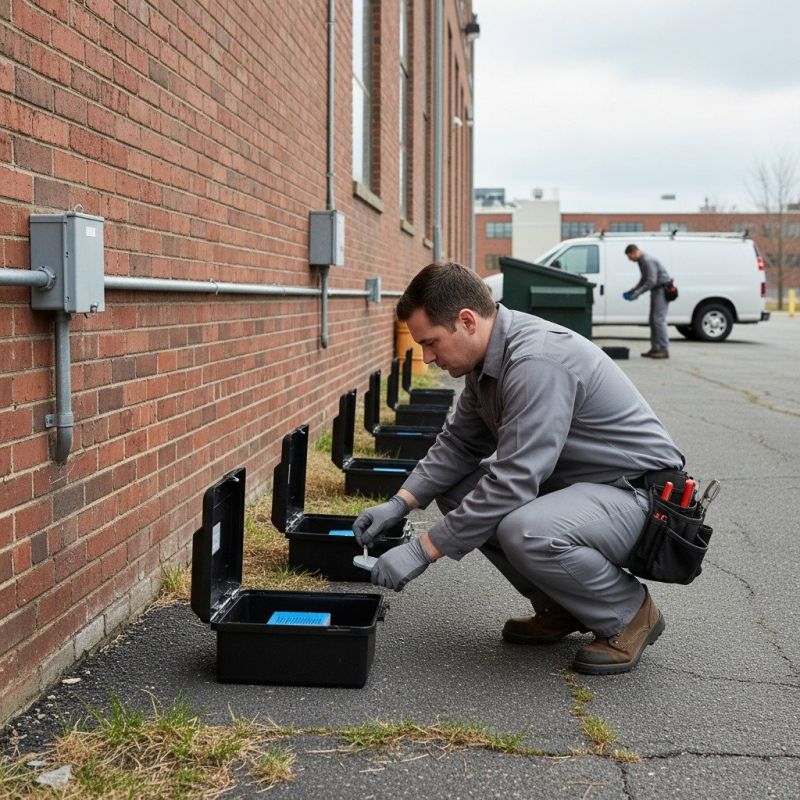
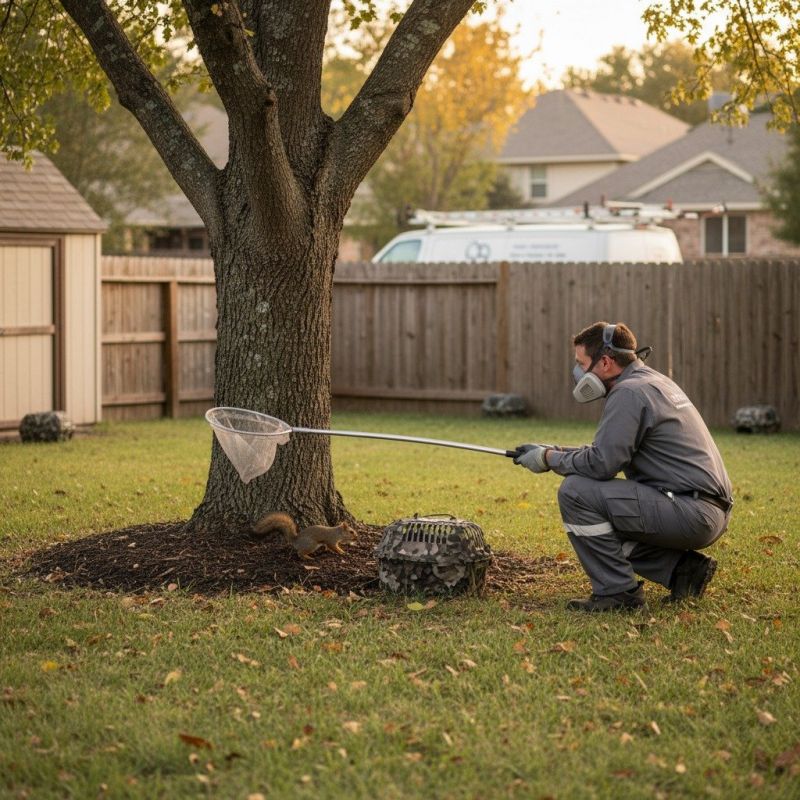
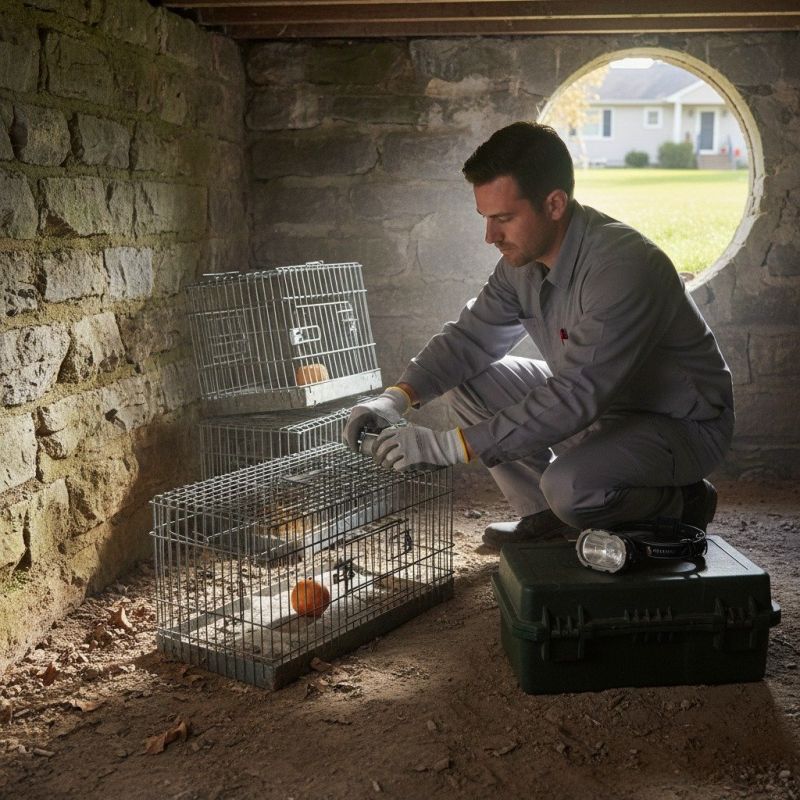
When people search for why commercial small animal control requires professional expertise, they often want to understand the complexities involved in managing pests such as rodents, raccoons, squirrels, and other small animals that invade business properties. These searches usually stem from concerns about property damage, health risks, or disruptions caused by these animals. Property owners and managers recognize that small animals can cause significant problems, including gnawed wiring, contaminated insulation, and the spread of disease. They seek insight into why handling these issues isn’t a simple DIY task and why specialized knowledge and skills are necessary to effectively address the problem.
This topic relates to a range of problems and planning efforts around property security, sanitation, and ongoing pest prevention. For example, small animals can find ways into buildings through tiny openings or damaged areas, making early detection and sealing critical. Planning often involves assessing vulnerable entry points, understanding animal behaviors, and implementing effective exclusion methods. Commercial properties-such as warehouses, retail centers, office complexes, and manufacturing facilities-are particularly susceptible because of their size, structural complexity, and the presence of stored goods. These properties require tailored strategies that consider the unique challenges of each site, which is why professional expertise is essential for developing and executing effective control plans.
The types of properties involved in commercial small animal control typically include large-scale facilities with extensive building footprints, such as industrial parks, shopping centers, and distribution centers. These properties often have numerous access points, storage areas, and structural features that attract small animals. Additionally, properties with food storage or processing functions face heightened concerns due to the risk of contamination and regulatory compliance. Local service providers who specialize in commercial small animal control understand the specific needs of these properties, including how to identify entry points, implement humane exclusion techniques, and develop long-term pest management strategies. Their expertise helps property owners prevent future infestations and maintain a safe, clean environment.
Understanding why commercial small animal control requires professional expertise highlights the importance of relying on experienced service providers for these projects. Small animals can be clever at finding ways into buildings, and their removal often involves more than just trapping and removal. Properly addressing the root causes of infestations, ensuring structural repairs, and implementing preventative measures demand specialized knowledge of animal behaviors, building structures, and effective exclusion methods. Local contractors who focus on commercial small animal control are equipped to handle these complexities, providing tailored solutions that protect property investments and support ongoing pest management efforts. This approach ensures that properties remain secure and free from the disruptions caused by small animal intrusions.
Wildlife exclusion projects - professionals use specialized tools and planning to safely remove and prevent small animals from entering commercial buildings, similar to small animal control efforts.
Building inspection and damage assessment - identifying entry points and structural vulnerabilities requires skills applicable to small animal control in commercial settings.
Pest proofing and sealing services - sealing entry points and preventing animal intrusion involves techniques used by experts in small animal exclusion.
Rodent and pest trapping programs - implementing humane and effective trapping strategies aligns with the methods used in commercial small animal control.
Habitat modification projects - altering the environment to deter animals involves planning and execution skills shared by small animal control specialists.
Structural repair and reinforcement - restoring and strengthening buildings after animal intrusion requires expertise similar to that needed for small animal exclusion and control.
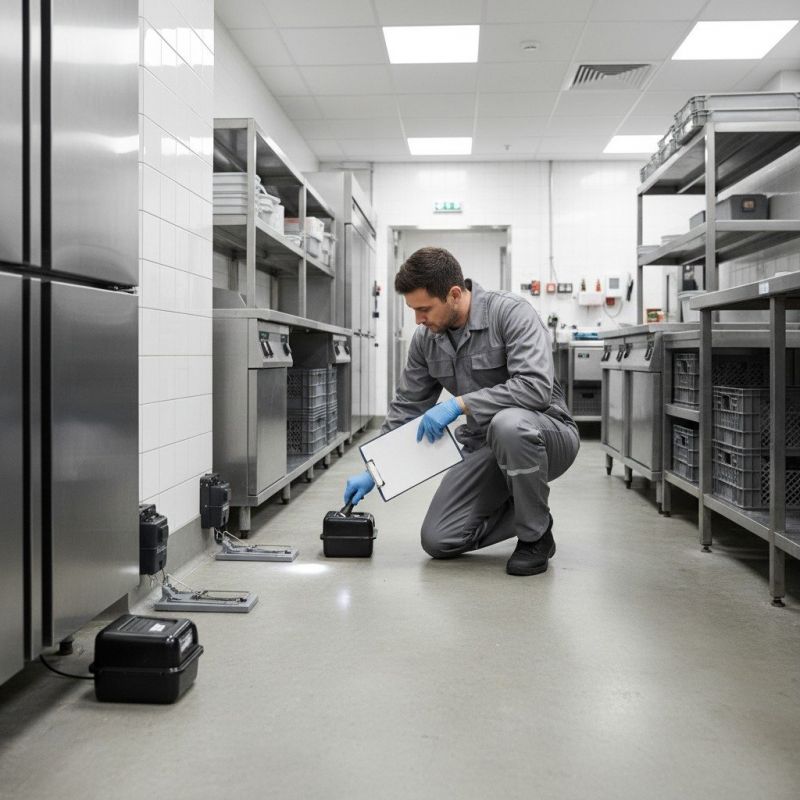
When evaluating service providers for commercial small animal control, it is essential to consider their experience with similar projects. A contractor with a proven track record handling commercial properties or environments comparable to the specific needs of the property can offer valuable insights into effective strategies and potential challenges. This experience helps ensure that the chosen professional understands the complexities involved and can deliver results aligned with the unique requirements of the commercial setting. Homeowners should inquire about the types of projects the contractor has completed and seek evidence of their familiarity with the scope and scale typical of commercial small animal control.
Clear, written expectations are a critical factor when comparing local contractors. A reputable service provider should be able to outline the scope of work, methods, and any specific procedures in a detailed, understandable manner. This documentation helps prevent misunderstandings and provides a reference point throughout the project. Homeowners are encouraged to ask for written proposals or agreements that specify what is included and what is not, ensuring transparency and alignment on the services to be provided. Well-defined expectations contribute to a smoother process and help ensure that the project meets the needs of the property owner.
Reputable references and effective communication are vital indicators of a reliable contractor. Speaking with previous clients or reviewing references can provide insights into the contractor’s professionalism, reliability, and ability to deliver quality results. Good communication is equally important, as it facilitates clarity, addresses concerns promptly, and ensures that the project progresses smoothly. Homeowners should seek service providers who are responsive and willing to answer questions thoroughly. By focusing on these aspects, property owners can better assess the suitability of local contractors for their commercial small animal control needs, helping to ensure a successful and stress-free experience.
Property owners often search for why commercial small animal control requires professional expertise when they are planning practical projects around their homes and businesses. Local pros provide Commercial Small Animal Control services for everyday jobs and straightforward project options.
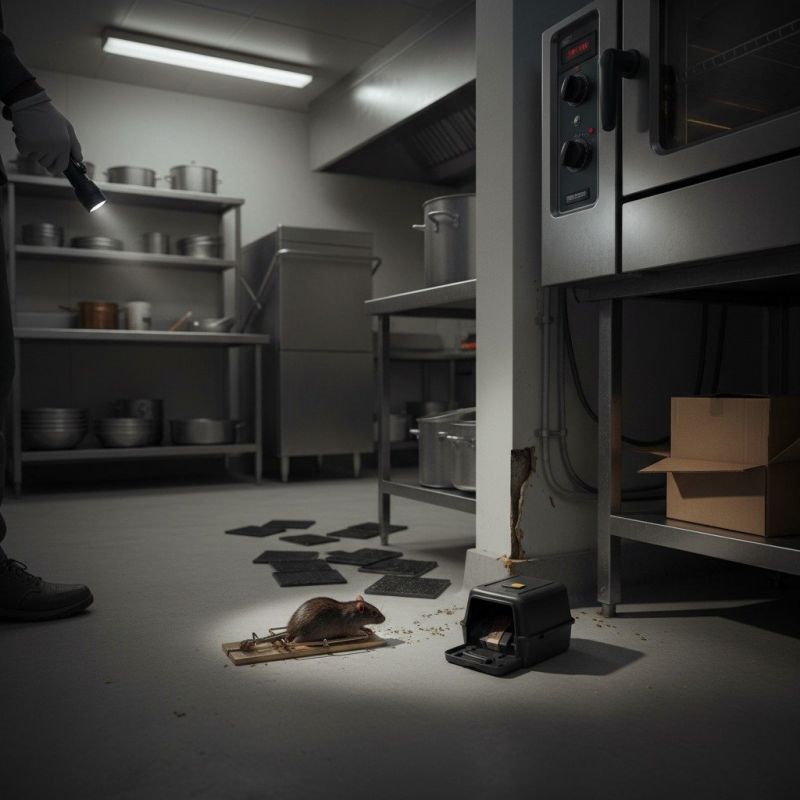
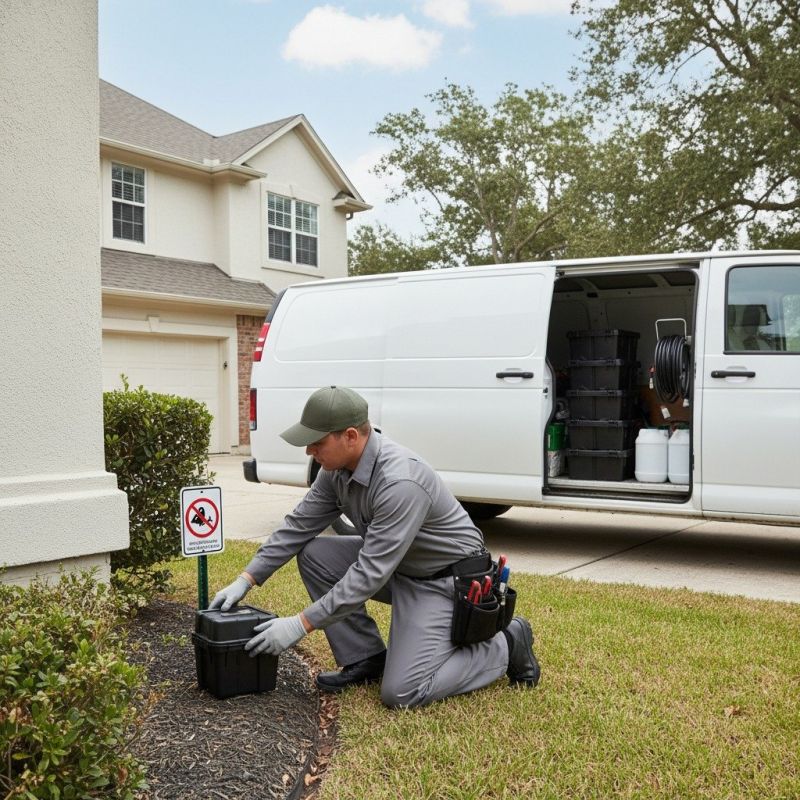
Commercial small animal control can involve a variety of situations that property owners encounter in everyday settings, such as discovering persistent rodent activity or noticing signs of wildlife intrusion in storage areas and building exteriors. These issues often require more than simple traps or deterrents, as animals can cause damage to structures or pose health risks if not handled properly. Property owners in the area might seek out professional services to ensure the problem is addressed effectively and safely, especially when dealing with larger infestations or animals that have taken up residence in hard-to-reach places.
Relying on experienced local contractors for commercial small animal control is essential because these professionals understand the complexities involved in humane and thorough removal. They have the knowledge to identify the root causes of animal activity, implement appropriate strategies, and prevent future issues. Property owners are encouraged to consider the expertise of local service providers to handle these situations efficiently, reducing the risk of property damage and ensuring the problem is resolved with proper techniques.
Why does commercial small animal control require professional expertise? Professional service providers have the experience and knowledge to identify the specific types of animals involved and determine the most effective removal methods, reducing the risk of ineffective or harmful techniques.
What risks are associated with DIY small animal control in commercial settings? Improper handling can lead to injuries, property damage, or the animals escaping, which can complicate the situation and increase health and safety hazards for everyone involved.
How do local contractors ensure the humane treatment of animals during control efforts? Experienced professionals follow established guidelines and best practices to ensure animals are handled safely and humanely while effectively resolving the issue.
Why is it important for professionals to assess the extent of an animal infestation? Proper assessment by experts helps determine the source and scale of the problem, ensuring that all entry points are sealed and that the infestation does not recur.
What advantages do local service providers offer in commercial small animal control? They bring specialized knowledge of local wildlife behaviors and access to appropriate tools and techniques, ensuring effective and compliant removal tailored to the specific environment.
Understanding local wildlife behavior - local contractors can assess the habits of small animals on a property, ensuring control methods are effective and humane.
Identifying entry points and vulnerabilities - professionals can locate and seal gaps or openings that small animals use to access buildings, preventing future infestations.
Choosing appropriate removal techniques - experienced service providers select safe and targeted methods tailored to the specific types of animals involved.
Implementing long-term exclusion strategies - experts develop plans to keep small animals out permanently, reducing the risk of recurring issues for property owners.
If you are thinking about why commercial small animal control requires professional expertise for a property, this guide is meant to help you understand this topic, the typical project types, and how different options might fit your plans.
When you are ready, you can use the quote form on this page to share a few details about your project. From there, local pros can review the basics and follow up with options that match what you have in mind.